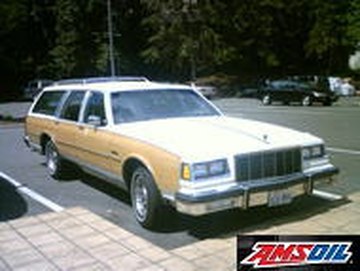
Lubrication Maintenance for the 1982 Buick ELECTRA 4.1L
Maintaining the engine lubrication system in a vehicle like the 1982 Buick ELECTRA with its 4.1L engine requires consistent attention to fluid condition and component integrity. As vehicles age, the methods used to monitor and preserve engine health become increasingly important for ensuring continued operation. Proper lubrication management involves more than just periodic oil changes; it encompasses regular inspections of related components and a proactive approach to identifying potential issues before they escalate.
Monitoring Fluid Condition and Potential Leaks
One of the most effective ways to monitor the health of the 1982 Buick ELECTRA 4.1L is through frequent visual inspections. Owners should look for any signs of fluid seepage or active leaks around the engine area. While some level of minor seepage can occur as gaskets and seals age, significant or active leaks warrant immediate investigation.
When performing these checks, consider the following:
- Surface Inspection: Check the exterior of the engine block and surrounding components for wet spots or residue that might indicate a failing seal.
- Puddle Detection: Regularly inspect the ground where the vehicle is parked to identify any unexpected fluid accumulation.
- Fluid Appearance: If the oil level is checked, observe the color and texture of the lubricant. Significant discoloration or an unusual smell can be associated with various internal conditions and should be investigated.
It is important to remember that a single symptom, such as a small puddle or a change in fluid appearance, can have multiple causes. Rather than attempting to diagnose a specific component failure based on one observation, these signs should serve as prompts for a more thorough mechanical inspection.
Prioritizing Long-Term Engine Care
For an owner of a 1982 Buick ELECTRA, effective maintenance is often about distinguishing between necessary preventive actions and unnecessary part replacements. As the vehicle enters different stages of its service life, the focus should shift toward condition-based maintenance rather than relying solely on age-related assumptions.
Establishing a maintenance baseline is highly beneficial, especially if the previous service history of the 4.1L engine is unknown. By documenting every oil change, filter replacement, and inspection, an owner can identify patterns in fluid consumption or leakage. This documentation allows for more informed decision-making regarding which maintenance tasks to prioritize. For example, addressing an active, slow leak is often a higher priority than replacing components that currently show no signs of wear or deterioration.
Reviewing available repair records can also reveal if certain systems have been consistently maintained. If history is incomplete, the best approach is to perform a comprehensive inspection of all accessible fluid-carrying components and seals to establish a current understanding of the vehicle's mechanical state.
Inspecting Associated Engine Components
Engine lubrication does not exist in isolation; it is part of a larger system of belts, hoses, and cooling components. During routine service, it is practical to inspect these peripheral items if they are accessible.
If equipped, inspecting drive belts for signs of cracking, glazing, or fraying can prevent unexpected failures that might affect engine operation. Similarly, checking the condition of various hoses for brittleness, swelling, or leaks is a prudent step in overall engine management. While these components do not directly lubricate the internal engine, their failure can lead to overheating or other conditions that negatively impact the effectiveness of the engine oil.
Furthermore, ensuring that the air filtration system is clean and free of debris helps prevent contaminants from entering the combustion process. Maintaining a clean environment for the engine supports the overall longevity of all internal components and helps maintain the integrity of the lubricant over its service life.
Understanding Lubricant Functions
The engine oil in the 4.1L engine performs several vital roles that are essential for mechanical stability. Beyond simple lubrication, the fluid is responsible for managing heat within the engine and helping to control the buildup of deposits. As the oil circulates, it helps carry heat away from high-friction areas, assisting the cooling system in maintaining stable operating temperatures.
Effective lubricants also contain additives designed to manage oxidation and prevent the formation of sludge. Sludge can accumulate when oil breaks down due to heat or contamination, potentially affecting the movement of internal parts. By selecting a high-quality lubricant that meets modern standards for deposit control, owners can help mitigate these risks. Additionally, some formulations are specifically engineered with seal-conditioning additives intended for use in aging engines, which may assist in maintaining the flexibility of various gaskets and seals.
Managing Maintenance Records
For long-term ownership, keeping a detailed log of all service performed on the 1982 Buick ELECTRA is invaluable. This record should include the date of service, the mileage at the time of service, the specific products used (such as oil type and filter part numbers), and any observations made during inspections.
A well-maintained history allows an owner to:
- Identify if the engine is consuming more oil than usual over a specific period.
- Track the effectiveness of different lubricant formulations.
- Provide accurate information to professional technicians when repairs are necessary.
- Avoid redundant services by knowing exactly when a component was last inspected or replaced.
Buying Engine Oil for the 1982 Buick ELECTRA 4.1L
When it is time to replenish the lubrication in your 1982 Buick ELECTRA 4.1L, the most critical step is to match the lubricant to the specific application requirements provided on this page. Do not rely on general automotive knowledge or assumptions based on the vehicle's age to select a viscosity grade; instead, always use the vehicle-specific oil viscosity listed in the application information shown above.
Before making a purchase, carefully check the product labeling to ensure the oil meets the appropriate API certification. Depending on your specific needs and the current condition of the engine, you may choose between conventional, synthetic blend, or full synthetic formulations. If the engine shows signs of significant age, you might also consider high-mileage formulations that include additives intended to support aging seals. Always verify that the product you are buying aligns with the technical specifications displayed in the application data for this exact 4.1L engine.